Indianapolis & Carmel, IN — Bite Correction Specialists
Improve bite alignment and comfort with expert care in Indianapolis. Jaw pain, morning headaches, worn teeth, clicking sounds — these are signs your bite needs attention. We diagnose the cause and build a treatment plan that actually fixes it.
Bite & Occlusion Correction
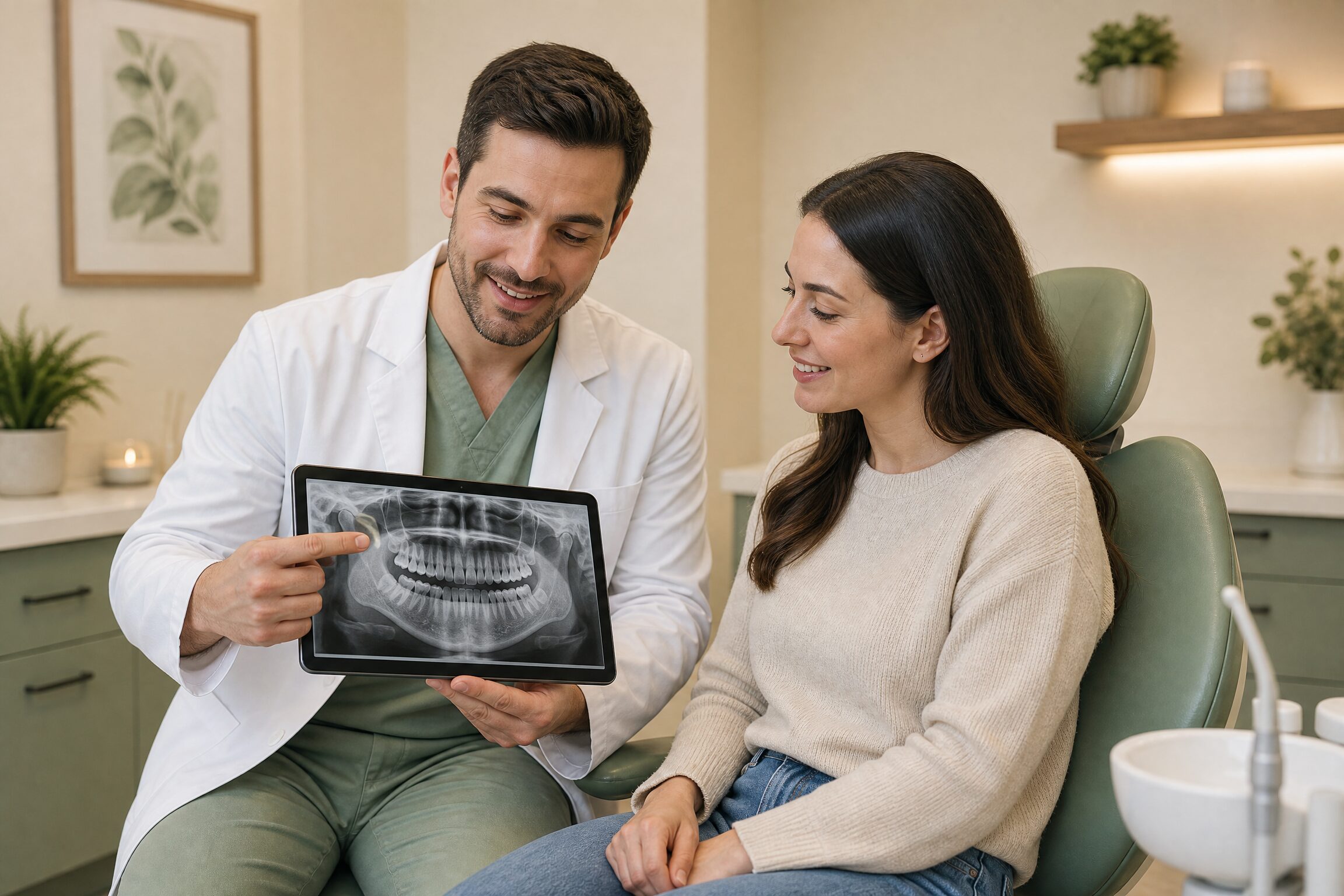
Most patients who come in for bite correction have been dealing with symptoms for years without connecting them to their bite. Jaw pain, morning headaches, neck tension, tooth sensitivity, worn enamel — these are not separate problems. They are often different expressions of the same underlying issue: a bite that is not balanced.
At Carmel Family Dental, we perform a comprehensive bite analysis that goes beyond a quick look at the teeth. We examine the jaw joints, the muscle function, the contact pattern of the teeth, and the overall occlusal relationship — and we build a treatment plan that addresses the cause, not just the symptoms.
We serve patients from Indianapolis, Carmel, Zionsville, Fishers, Westfield, and Noblesville. Our practice is at 3021 E 98th Street, Suite 240, Indianapolis, IN 46280.
Signs You May Have a Bite Problem
These are the most common signs that your bite may need attention. You do not need to have all of them — even one or two persistent symptoms is worth a bite analysis.
Bite Correction — At a Glance
Treatment Options
The right treatment depends on the cause and severity of the bite problem. In many cases, a combination of approaches produces the best long-term result.
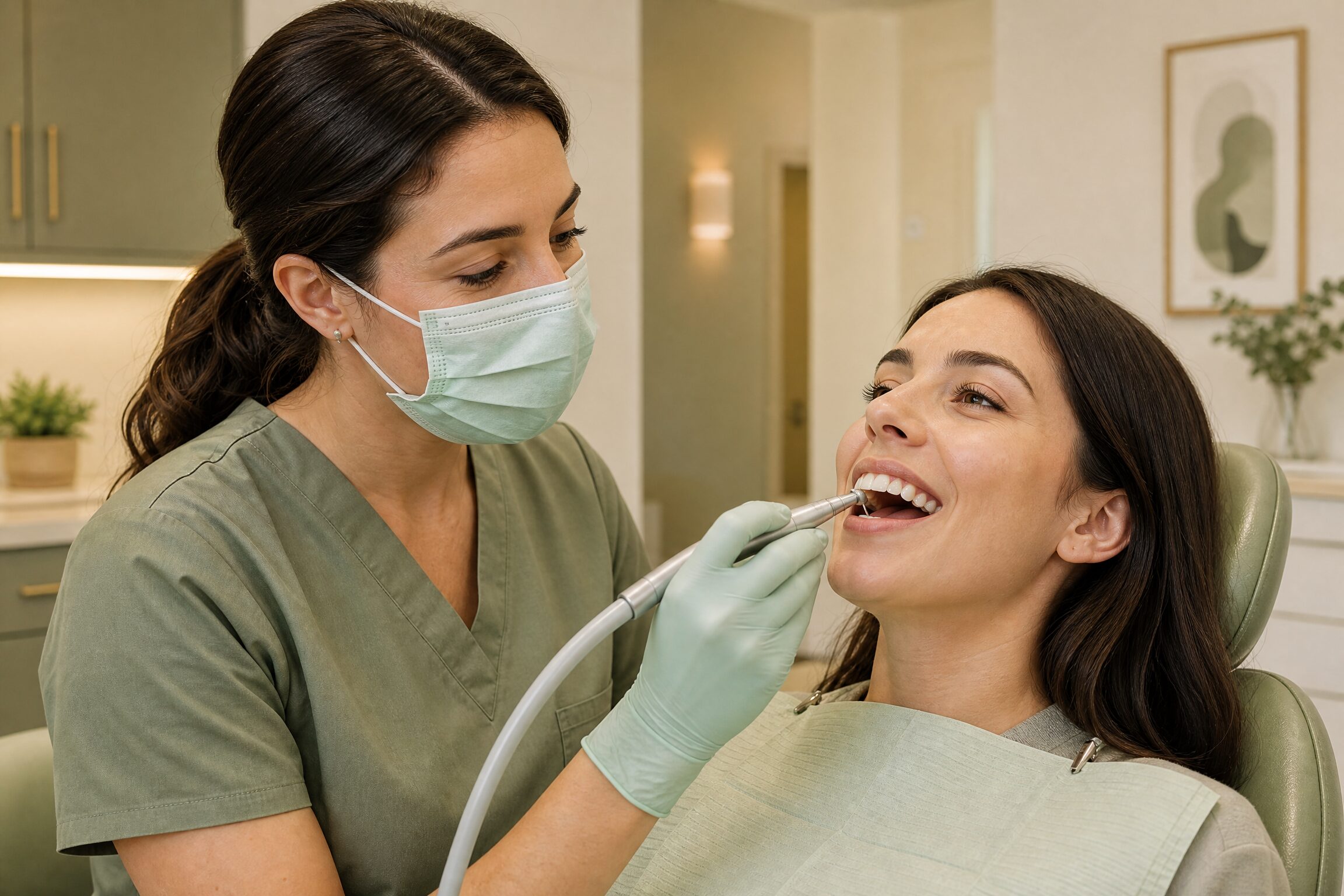
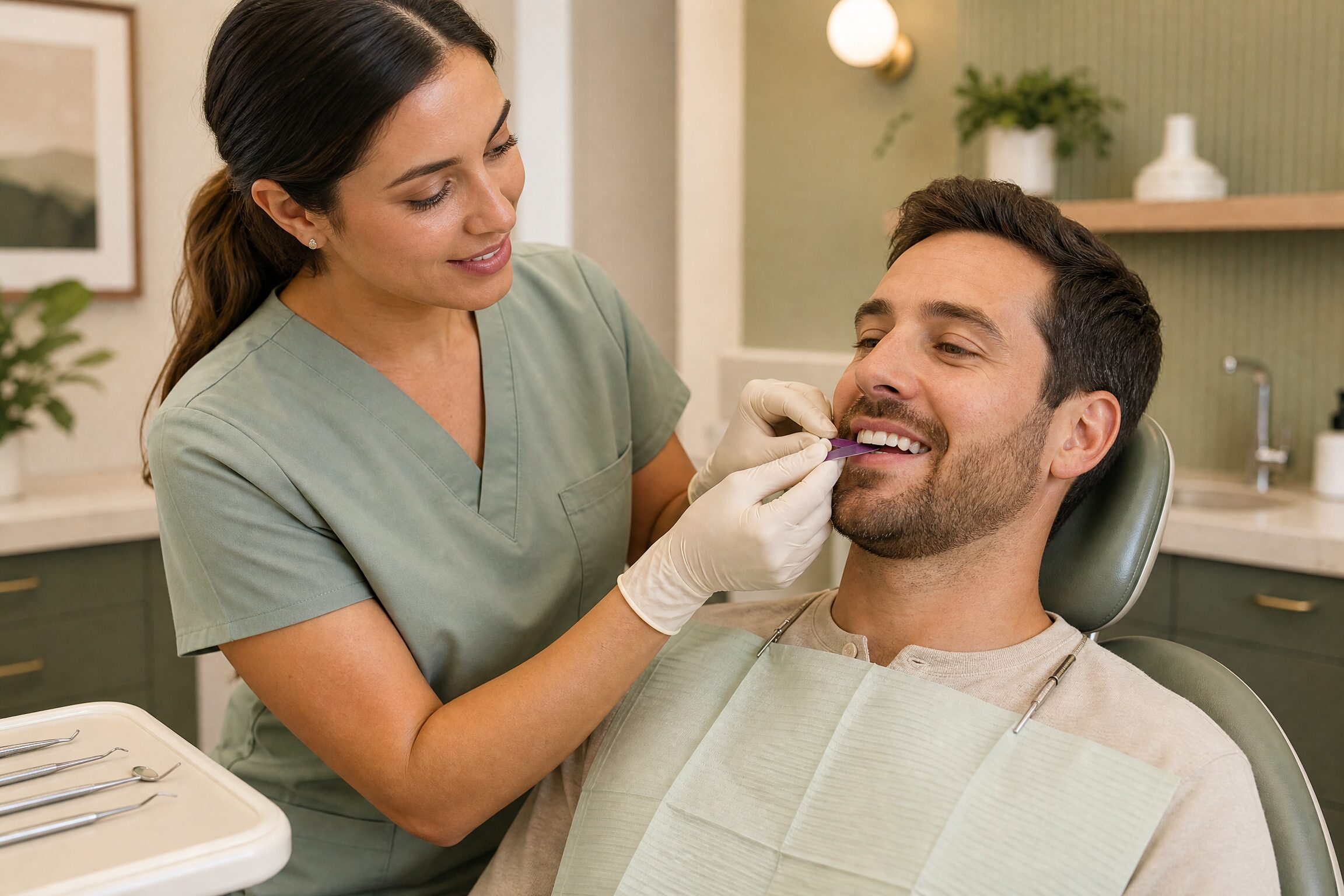
A precise reshaping of specific tooth surfaces to create a more balanced bite contact pattern. Using articulating paper to identify high spots, the dentist removes small amounts of enamel to achieve even, comfortable contact.

A precision-fitted oral appliance worn during sleep to protect the teeth from grinding (bruxism), reduce jaw muscle tension, and allow the jaw joint to rest in a more comfortable position.
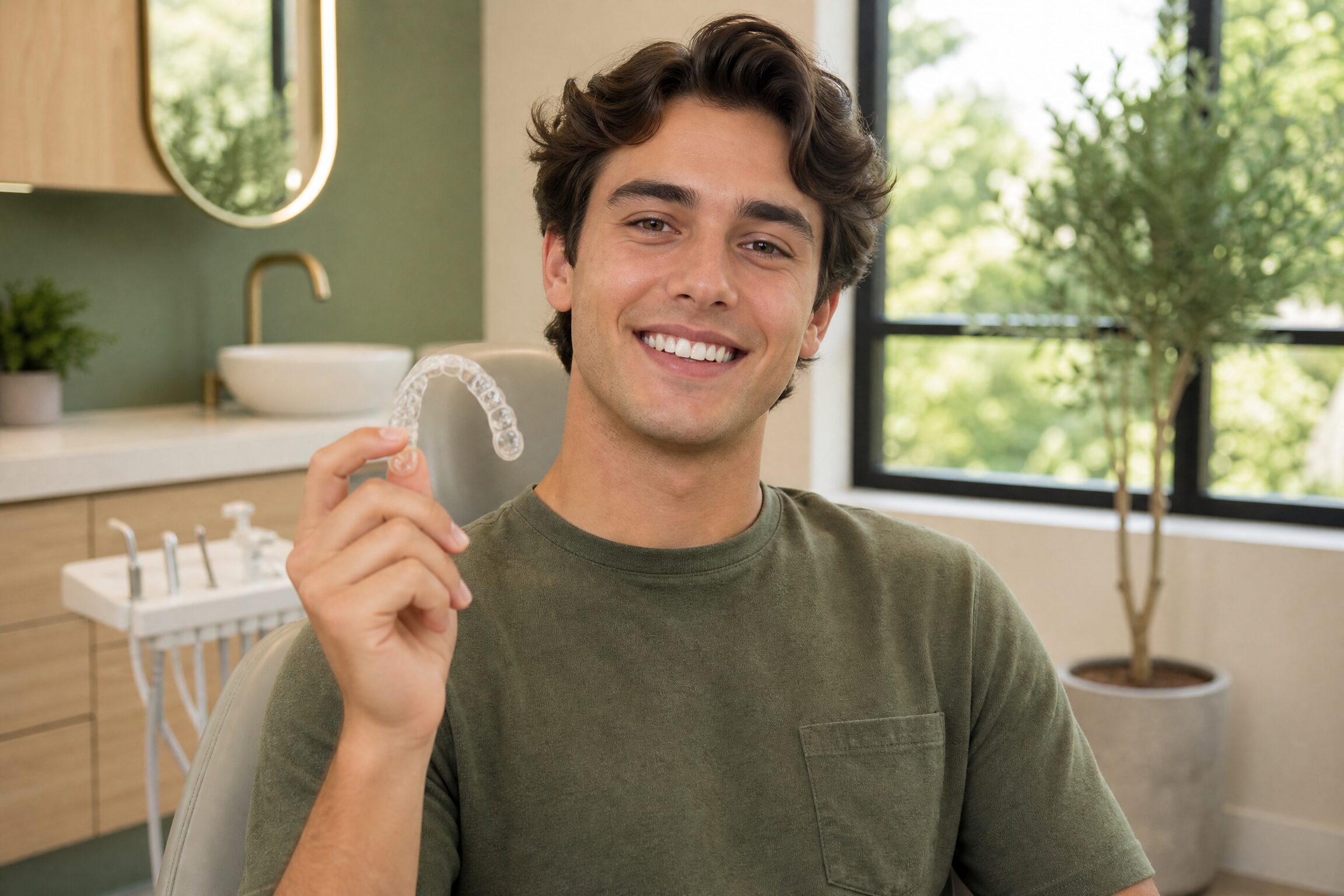
For bite problems caused by tooth misalignment — overbite, underbite, crossbite, open bite — Invisalign clear aligner therapy can correct the underlying position of the teeth and restore a balanced occlusion.

When bite misalignment is caused by severely worn, broken, or missing teeth, restorative treatment — crowns, bridges, or full mouth reconstruction — rebuilds the correct bite height and contact pattern.
Is This Right for You?
Bite correction is appropriate for a wide range of patients — from those with mild discomfort to those with significant jaw joint problems or severe tooth wear.
Persistent jaw soreness, clicking, locking, or pain when chewing — often caused by bite imbalance placing uneven stress on the temporomandibular joint.
Waking up with headaches or facial pain is a classic sign of nighttime teeth grinding (bruxism) driven by bite imbalance. A night guard and occlusal adjustment can resolve this.
Teeth that look shorter, flatter, or more translucent at the edges have been worn down by grinding or bite forces. Correction prevents further damage and can restore lost tooth structure.
New crowns, bridges, or implants can alter the bite. If your bite feels different or uncomfortable after dental work, an occlusal adjustment restores proper balance.
If you notice that certain teeth hit harder than others, or that your bite feels off when you close your mouth, this is a sign of bite imbalance that can be corrected.
The jaw muscles connect to the neck and shoulders. Chronic bite imbalance can create tension patterns that extend well beyond the mouth — often misattributed to posture or stress.
Your First Appointment
Your bite analysis is a comprehensive diagnostic appointment. We examine the teeth, jaw joints, muscle function, and contact pattern — and we explain exactly what we find and what the options are.
Articulating paper and digital bite analysis to map exactly where and how the teeth are making contact — identifying high spots, imbalances, and wear patterns
Assessment of the temporomandibular joints for clicking, tenderness, limited range of motion, and signs of joint inflammation or displacement
Palpation of the jaw, temple, and neck muscles to identify areas of tension or pain that indicate chronic muscle overload from bite imbalance
Panoramic and periapical X-rays to assess bone levels, joint anatomy, and the condition of the teeth — essential for a complete bite diagnosis
A clear explanation of the findings and all appropriate treatment options — from a simple occlusal adjustment to a night guard, Invisalign, or restorative correction
We verify your PPO benefits and discuss CareCredit options before you leave so you have a complete financial picture with no surprises
The Process
The process varies by treatment type. Here is the general sequence from diagnosis to resolution.
Comprehensive examination of bite contacts, jaw joints, muscle function, and X-rays to identify the cause
Custom treatment plan addressing the specific cause — adjustment, night guard, orthodontics, or restorative work
Occlusal adjustment and/or impressions for a custom night guard — immediate relief for many patients
Custom night guard or splint delivered and fitted — adjusted for comfort and optimal jaw position
Invisalign or restorative treatment if required — with regular check-ins to monitor progress and bite changes
Comprehensive bite re-evaluation to confirm balance, comfort, and resolution of symptoms
A lot of bite problems get treated symptomatically — a night guard is prescribed without identifying why the grinding is happening, or a headache is treated with medication without addressing the jaw. That is why we start with a thorough bite analysis. Understanding the cause determines the right treatment.
In many cases, a combination of an occlusal adjustment and a custom night guard resolves the symptoms quickly. In more complex cases involving significant tooth wear or jaw joint damage, a more comprehensive treatment plan is needed — and we walk you through every step.
Treatment Comparison
Use this table to understand the key differences between the four main bite correction approaches.
| Feature | Occlusal Adjustment | Night Guard | Invisalign | Restorative Correction |
|---|---|---|---|---|
| Best For | High spots, uneven contact | Bruxism, TMJ, jaw pain | Overbite, underbite, crossbite | Worn, broken, or missing teeth |
| Treatment Time | 1–2 appointments | 2–3 weeks (delivery) | 6–18 months | 3–12 months |
| Permanent Change | ✓ Yes (enamel reshaping) | No (protective appliance) | ✓ Yes (tooth movement) | ✓ Yes (restorations) |
| Addresses Root Cause | ✓ Yes | Manages symptoms | ✓ Yes | ✓ Yes |
| Insurance Coverage | Often covered (PPO) | Often covered (PPO) | Orthodontic benefit | 50% restorative (PPO) |
| Can Be Combined | ✓ Yes | ✓ Yes | ✓ Yes | ✓ Yes |
Why Carmel Family Dental
We do not guess. Every bite correction case starts with a thorough analysis of the bite contacts, jaw joints, and muscle function — so the treatment addresses the actual cause.
Dr. Stuart has diagnosed and treated bite problems for over 20 years. His experience with occlusal analysis, night guard therapy, and restorative bite correction means you get a treatment plan that works.
Occlusal adjustment, custom night guards, Invisalign, crowns, implants — all available in one practice. No referrals, no coordination between multiple providers.
Bite problems can feel overwhelming when you have been dealing with symptoms for years. We explain everything clearly, present all options, and let you decide at your own pace.
CareCredit financing available. PPO insurance benefits verified before treatment begins. Transparent, itemised estimates with no hidden fees.
Hundreds of five-star reviews from patients across Indianapolis, Carmel, Zionsville, Fishers, Westfield, and Noblesville.
Patient Reviews
“I had been dealing with jaw pain and morning headaches for years. Dr. Stuart identified a bite issue in my first appointment and created a treatment plan that included an occlusal adjustment and a night guard. Within a few weeks the jaw pain was gone. I wish I had come in sooner.”
“My teeth were visibly worn and I had constant neck tension. I had no idea it was related to my bite. Dr. Stuart explained the connection clearly and recommended a combination of a night guard and Invisalign. Six months later the tension is gone and my teeth look so much better. The whole team was fantastic throughout.”
“I had a crown placed by another dentist that left my bite feeling off. I came to Carmel Family Dental for a second opinion and Dr. Stuart identified the problem immediately. A quick occlusal adjustment fixed it completely. The difference was immediate. I have been a patient here ever since.”

For many patients, an occlusal adjustment and a custom night guard produce noticeable relief within the first week. The jaw muscles stop compensating for the uneven bite, the tension releases, and the morning headaches diminish. It is one of those treatments where the results are immediate and obvious.
If you have been managing jaw pain, headaches, or worn teeth with medication or by simply living with it — a bite analysis is worth an hour of your time. It might explain a lot of things you have been wondering about for years.
Your Bite Correction Team

Dr. Stuart leads all bite analysis and occlusal correction cases at Carmel Family Dental. With over 20 years of experience in occlusal diagnosis, night guard therapy, and restorative bite correction, he has helped hundreds of Indianapolis-area patients resolve jaw pain, headaches, and tooth wear caused by bite imbalance.
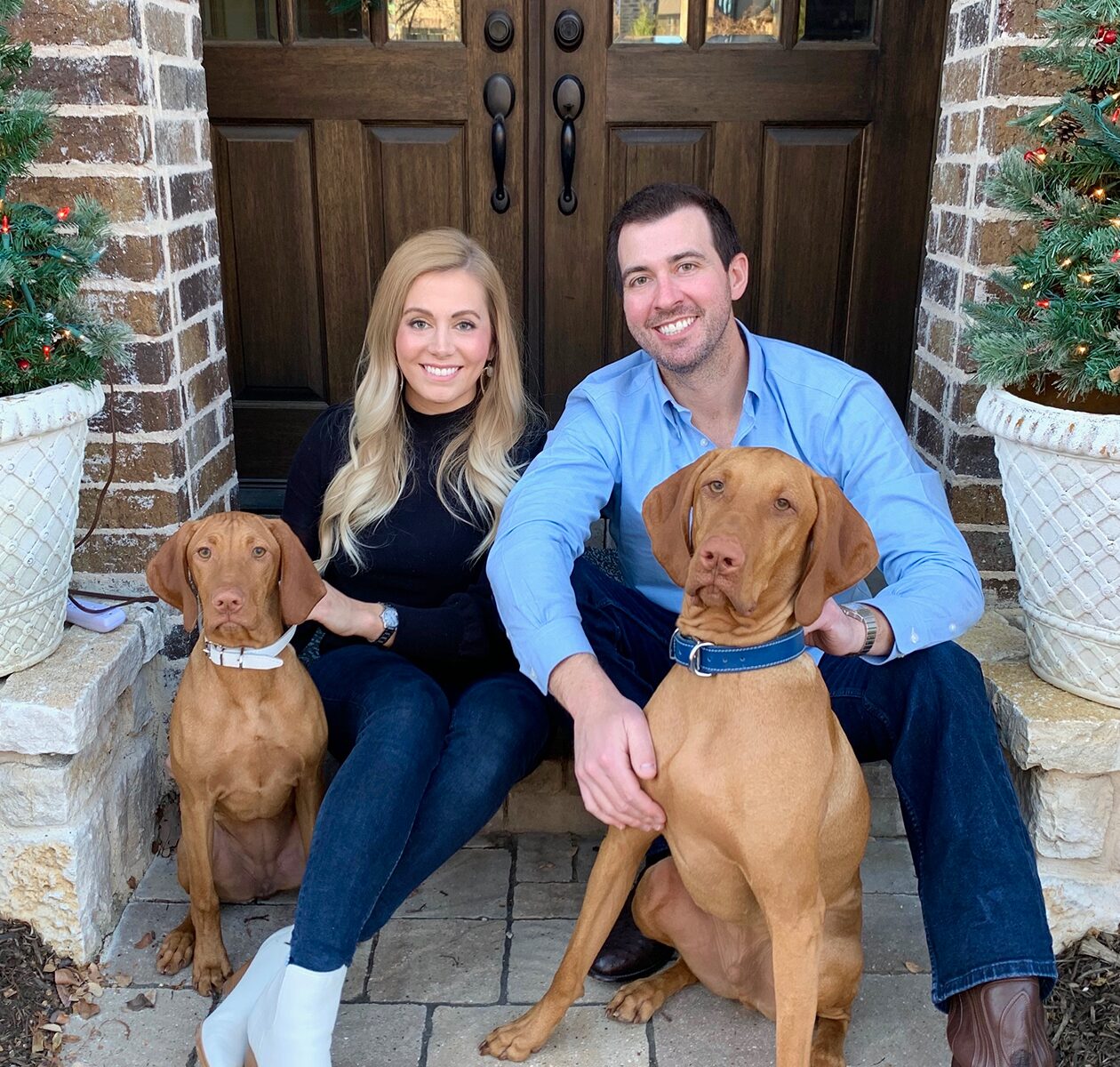
Dr. Schraeder handles the orthodontic and implant components of bite correction cases — including Invisalign for bite alignment and implant placement to restore missing teeth that are contributing to bite imbalance. His expertise ensures that the restorative and surgical aspects of complex bite correction cases are handled with precision.
FAQ
Occlusion refers to the way your upper and lower teeth come together when you bite and chew. A correct occlusion means the teeth meet evenly and the jaw joints (temporomandibular joints) function without strain. When the bite is misaligned — a condition called malocclusion — it can cause uneven tooth wear, jaw pain, headaches, and TMJ disorder. Bite correction treatment aims to restore a balanced, comfortable occlusion.
A misaligned bite can be caused by several factors: missing teeth that allow remaining teeth to shift, worn or broken teeth that alter the bite height, teeth grinding (bruxism) that wears down tooth surfaces, previous dental work that changed the bite, jaw development issues, or orthodontic relapse. In some cases, a combination of factors is involved. A comprehensive bite analysis identifies the specific cause and guides the treatment plan.
Common symptoms of bite misalignment include: jaw pain or soreness, clicking or popping sounds in the jaw joint, headaches (especially in the morning), neck and shoulder tension, tooth sensitivity, uneven or accelerated tooth wear, difficulty chewing, teeth that feel like they do not fit together properly, and facial muscle fatigue. Not all patients experience all symptoms — some have significant bite issues with minimal discomfort, which is why a clinical bite analysis is important.
An occlusal adjustment is a procedure in which the dentist carefully reshapes specific tooth surfaces to improve how the upper and lower teeth meet. Using articulating paper to identify where the bite is uneven, the dentist removes small amounts of enamel from high spots to create a more balanced contact pattern. The procedure is typically painless and does not require anesthesia. It is often combined with other treatments such as night guards, orthodontics, or restorations.
Bite correction and TMJ treatment are closely related but not identical. Bite correction focuses on aligning the teeth so they meet evenly and the jaw functions without strain. TMJ treatment addresses the temporomandibular joint itself — the hinge joint connecting the jaw to the skull — when it is inflamed, damaged, or displaced. In many cases, correcting the bite reduces or eliminates TMJ symptoms. Treatment may involve a combination of occlusal adjustment, night guards, physical therapy, orthodontics, and in some cases, restorative work.
Yes. Invisalign clear aligner therapy can correct many types of bite misalignment, including overbite, underbite, crossbite, and open bite. For mild to moderate bite issues, Invisalign is often an effective and discreet treatment option. For more complex bite problems — particularly those involving significant tooth wear, missing teeth, or jaw joint issues — a combination of orthodontics and restorative treatment may be required. We assess the bite comprehensively at your consultation and recommend the most appropriate approach.
The timeline depends on the cause and severity of the bite problem. A simple occlusal adjustment may be completed in a single appointment. A night guard is typically delivered within 2 to 3 weeks. Orthodontic correction with Invisalign typically takes 6 to 18 months. Restorative correction involving crowns or full mouth reconstruction may take 3 to 12 months depending on the extent of treatment. We provide a clear timeline at your consultation after completing the bite analysis.
Coverage depends on the specific treatment and your insurance plan. Occlusal adjustments are often covered at least partially by PPO dental insurance plans. Night guards are covered by many plans, particularly when there is documented evidence of bruxism or TMJ disorder. Orthodontic treatment (Invisalign) may have separate orthodontic benefits. Restorative treatment (crowns, bridges) is typically covered at 50% for restorative indications. We verify your specific benefits before treatment begins and provide a complete, itemised estimate.
Serving Indianapolis & Surrounding Areas
Carmel Family Dental is conveniently located at 3021 E 98th Street, Suite 240, Indianapolis, IN 46280 — easily accessible from all surrounding communities.
Financing & Insurance
We work with most major PPO dental insurance plans and offer flexible financing options to make your bite correction treatment as accessible as possible.
Insurance tip: Many PPO plans cover occlusal adjustments and custom night guards — especially when there is documented evidence of bruxism, TMJ disorder, or bite-related tooth wear. We document the clinical findings thoroughly to support your insurance claim and maximise your benefits. We verify your specific coverage before treatment begins.
Related Services
Carmel Family Dental | 3021 E 98th Street, Suite 240, Indianapolis, IN 46280
Serving Indianapolis, Carmel, Zionsville, Fishers, Westfield, and Noblesville