
Pain, swelling, or infection
A partially erupted or impacted tooth can trap bacteria and contribute to pain, swelling, gum inflammation, or infection. Symptoms deserve timely evaluation.
Carmel, IN – Third Molar Care
Clear evaluation and thoughtful treatment planning for wisdom teeth that are painful, impacted, difficult to clean, or creating a risk for nearby teeth.
3021 E 98th Street, Suite 240, Indianapolis, IN 46280

Quick Answer
Wisdom teeth removal is the planned extraction of one or more third molars when their position, condition, symptoms, or future risk makes removal more appropriate than continued monitoring.
Wisdom teeth often appear between the late teen years and mid-twenties. Some erupt normally and remain healthy; others are trapped under gum tissue or bone, partially erupted, hard to clean, or positioned close to neighboring teeth. An examination and appropriate imaging help determine the safest path for your mouth.[2]
Important: Removal is not automatic. A clinician should explain the findings, alternatives, risks, expected recovery, and whether monitoring is reasonable for your situation.
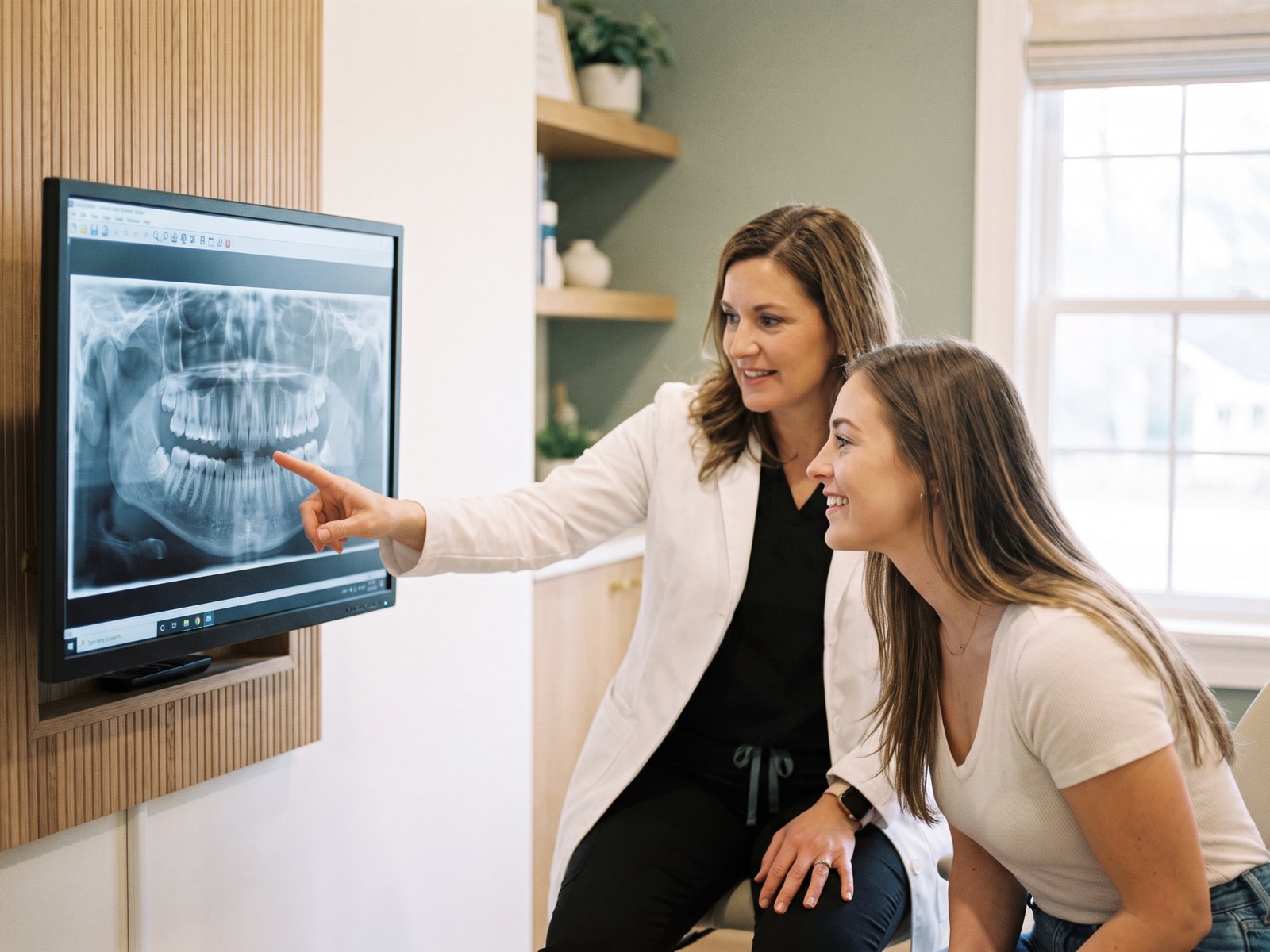
Evaluation Before Treatment
Professional guidance commonly focuses on disease, symptoms, damage, cleanability, and the tooth’s relationship to nearby structures. The recommendation should be individualized.
A partially erupted or impacted tooth can trap bacteria and contribute to pain, swelling, gum inflammation, or infection. Symptoms deserve timely evaluation.
Back teeth can be difficult to brush and floss around. Decay or periodontal disease may affect the wisdom tooth or the molar beside it.
An angled or crowded third molar may press against a neighboring tooth or contribute to a pocket that is hard to keep clean.
Imaging may show a cyst or another finding around an impacted tooth. The care plan depends on the diagnosis and the structures involved.
Removal may be considered when it supports another carefully planned dental or orthodontic treatment, but the reason should be explained clearly.
Healthy, functional, painless wisdom teeth that can be cleaned may be monitored with regular examinations and periodic radiographs.
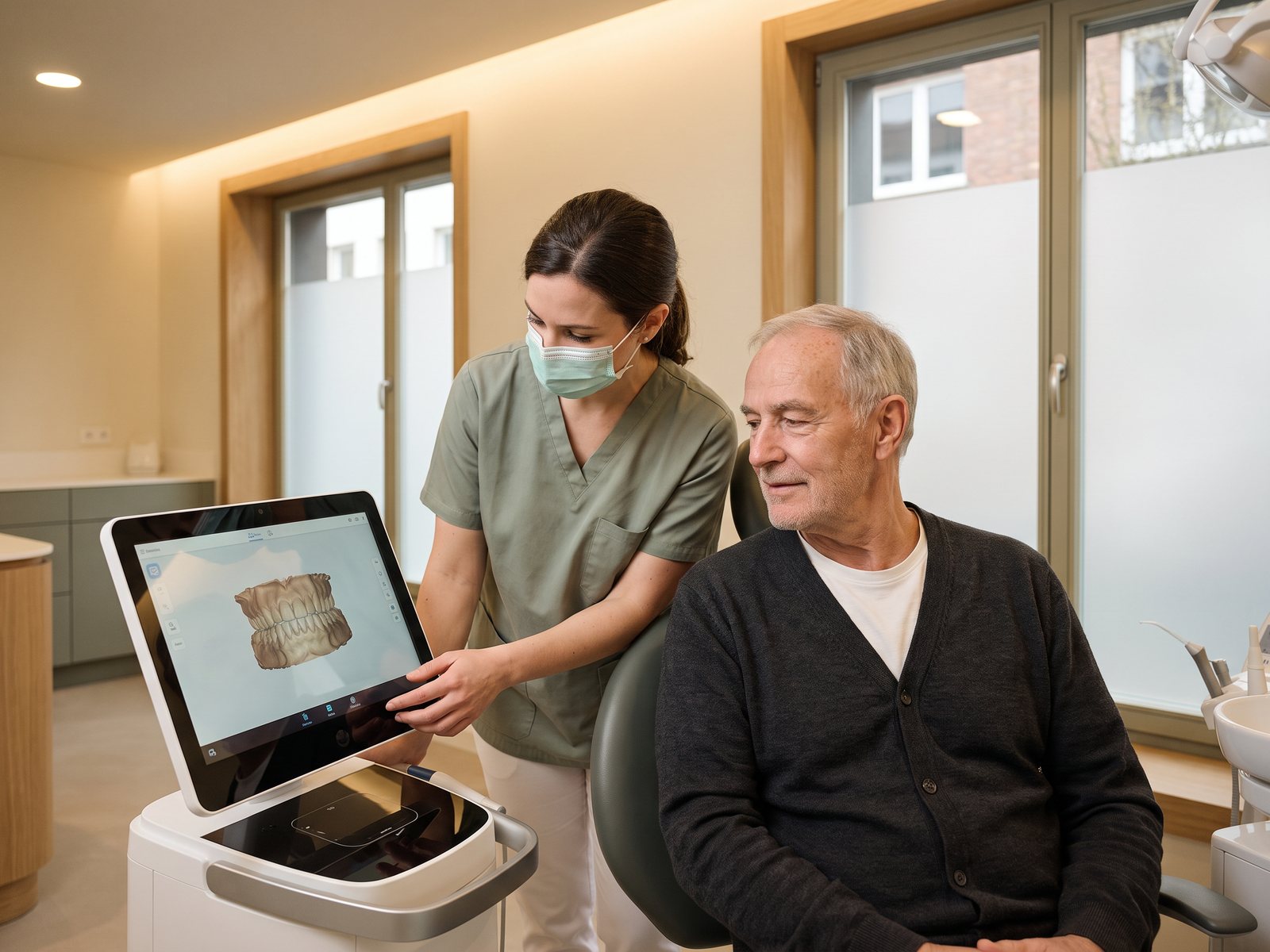
Your First Appointment
The appointment begins with your symptoms, medical history, medications, allergies, previous dental care, and concerns. The clinician examines the mouth and may recommend a panoramic image or other imaging when tooth position, roots, bone, or nearby anatomy needs closer review.
If a tooth is deeply impacted or the procedure is expected to be complex, referral to an oral and maxillofacial surgeon may be recommended. Anesthesia and sedation choices depend on the case and the treating clinician.
A Clear Care Path
Every case is different, but a clear sequence can make the decision easier to understand. Your treating team will provide the instructions that apply to your procedure.
Discuss symptoms, health history, tooth position, treatment goals, and questions.
Use appropriate imaging and findings to explain removal, monitoring, or referral options.
Care is performed or coordinated by the clinician best suited to the complexity of the case.
Follow written instructions and contact the treating team if warning signs develop.
Aftercare and Safety
Follow the written instructions from the treating dentist or oral surgeon. Early guidance may include protecting the blood clot, choosing softer foods, staying hydrated, limiting strenuous activity, avoiding tobacco, and using medicines only as directed. The exact plan depends on the procedure and your health history.
Call the treating office for excessive bleeding, fever, pus, severe or worsening pain, worsening swelling, persistent numbness, or a bad taste that does not improve. Seek emergency medical care for trouble breathing, difficulty swallowing, or rapidly spreading swelling.[4]
Carmel Family Dental’s official website identifies Richard J. Stuart, DDS and Preston Schraeder, DDS as practice dentists. Confirm current wisdom teeth services, anesthesia options, and any oral-surgery referral pathway directly with the practice before publication or scheduling.

Patient Questions
These answers provide general education. An examination is needed for advice about a specific tooth, procedure, or recovery concern.
Short answer: No. Wisdom teeth that are fully erupted, functional, painless, cavity-free, disease-free, and easy to keep clean may be monitored. A dental examination, imaging when indicated, and regular follow-up help determine whether observation is reasonable.
Short answer: Pain, infection, decay, gum disease, damage to a neighboring tooth, a cyst or other pathology, poor cleanability, or an orthodontic or restorative plan may support removal. The reason should be explained after an individual evaluation.
Short answer: The clinician reviews your symptoms, medical history, medications, allergies, dental history, and goals, then examines your mouth. Panoramic or other imaging may be recommended to understand tooth position, roots, bone, and nearby structures before discussing treatment or referral.
Short answer: The anesthesia or sedation plan depends on procedure complexity, health history, medications, anxiety, clinician judgment, and whether care is provided in a dental office or by an oral and maxillofacial surgeon. Ask who will provide the anesthesia and what transportation and fasting instructions apply.
Short answer: Follow the written instructions from the treating clinician. Soft foods, careful oral hygiene, activity limits, and avoiding tobacco, vigorous rinsing, and straws may be recommended early in healing. Swelling and soreness can occur, and the timeline varies by the number and position of teeth removed.
Short answer: Contact the treating dental team for excessive bleeding, fever, pus, severe or worsening pain, worsening swelling, concerning numbness, or a bad taste that does not improve. Seek emergency medical care for trouble breathing, difficulty swallowing, or rapidly spreading swelling.

Carmel Family Dental
Bring your symptoms, medication list, questions, and any previous dental images to a consultation. The team can explain what the findings mean, what choices are available, and whether the next step belongs in the practice or with an oral and maxillofacial surgeon.
Contact Carmel Family Dental in the Indianapolis area to request an evaluation and discuss the most appropriate next step for your oral health.
3021 E 98th Street, Suite 240, Indianapolis, IN 46280
Transparency note: This page provides general educational information and does not replace a dental examination, diagnosis, or treatment plan. Generated images are illustrative and do not depict actual Carmel Family Dental staff, patients, treatment outcomes, or the office. The proposed Wisdom Teeth Removal URL is not currently live on the official site; confirm service availability, provider workflow, referral relationships, anesthesia options, and final URL with Carmel Family Dental before publication.